"It hasn't snowed yet": the real risk of summer tires in winter
The most common reason for delaying the switch to winter tires is that it hasn't snowed yet. We take a balanced look at why summer tires harden in the cold, the case for waiting, and the real risk.

"It hasn't snowed yet." That is the line most often used to put off the switch to winter tires. It sounds sensible to fleet managers and drivers alike: the roads are clear, the vehicles are working and service centers are still quiet. Why fit a seasonal tire early and give up the remaining life of the summer set?
The question has merit, and it would be wrong to dismiss it. But the assumption behind it is flawed. For a summer tire, the real problem isn't snow; it's cold.
What happens to a summer tire in the cold
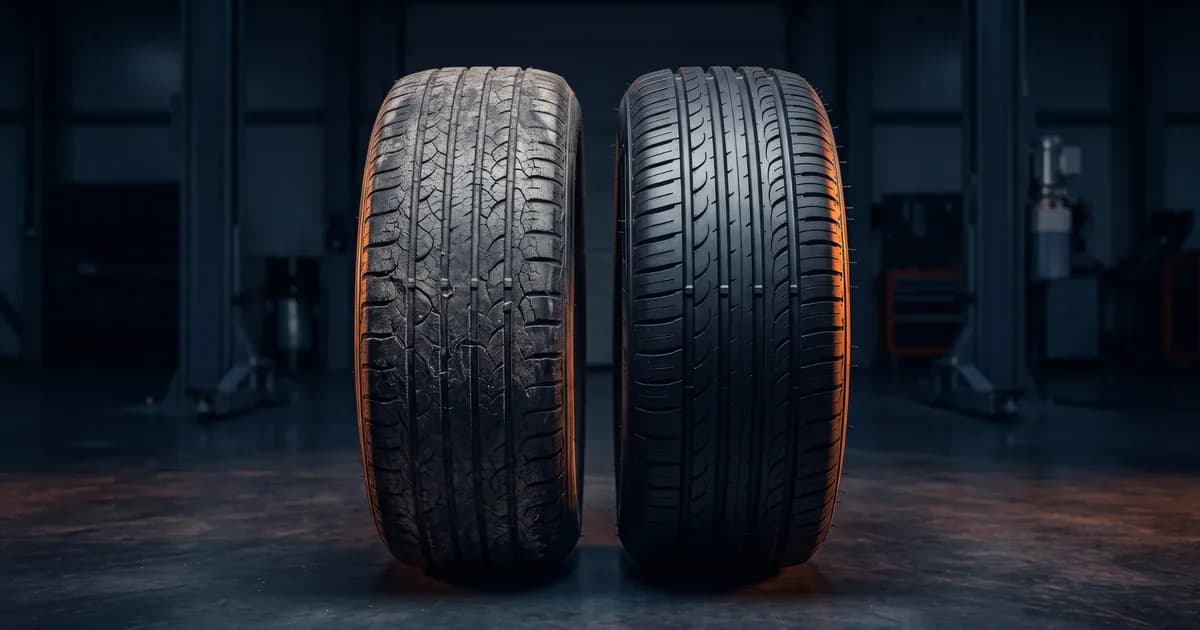
Summer tires are built for warm asphalt. Their compound is designed to wear evenly and grip well at higher temperatures. As temperatures drop, that same compound hardens. A harder tire conforms less to the small irregularities of the road, and grip falls even without a single snowflake on the road.
The effect is most noticeable on cold, wet asphalt, early in the morning, on bridges and on shaded stretches. Snow and ice make things worse: grip drops further and stopping distances grow. That is why the right trigger is temperature: switch to winter tires once the average temperature falls below 7°C.
The case for waiting
A balanced view means taking the reasons for delay seriously:
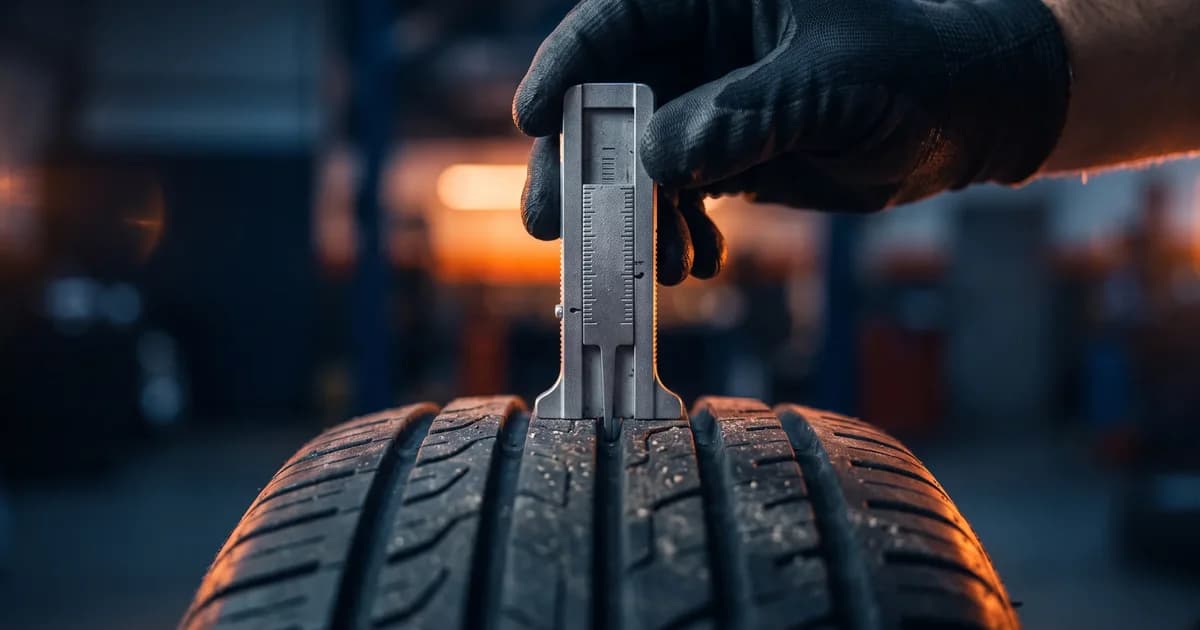
Remaining summer tread: A summer tire removed early carries its remaining tread into next season. That is a deferral, not a loss, as long as the tire is stored properly.
Winter tire wear: Winter tires fitted in mild weather can wear faster. That is a real concern and a good reason not to switch too early.
Regional differences: In coastal areas with mild winters, the threshold arrives later, so the changeover date naturally shifts for vehicles based there.
Capacity and cost: Switching the whole fleet early can look like an extra burden on operations.
None of these reasons justifies staying on summer tires below 7°C; they only argue against switching long before that point.
The real risk: the weeks lost after the threshold
While everyone waits for snow, average temperatures in most regions drop below the threshold weeks earlier. Throughout those weeks, the fleet drives on cold mornings with reduced grip. When the first snow arrives, the problem doubles: the vehicles are on summer tires and the service centers are full.
Commercial vehicles have a date of their own. In Turkey, winter tires are mandatory for commercial vehicles between November 15 and April 15. So fleet managers are really working to two calendars: the temperature threshold for passenger cars and the legal date for commercial vehicles. Whichever comes first should set the plan.
Three questions for decision-makers
When does the average temperature drop below 7°C in the regions where your fleet operates, and is there a calendar by region?
Is every commercial vehicle scheduled to complete its changeover before November 15?
Is there a storage arrangement that preserves the remaining tread on removed summer tires?
A yes to the third question removes the strongest argument for waiting: if summer tires are stored properly, removing them early isn’t a loss.
Let the thermometer, not the snow, start the plan
At Checklas, we recommend planning the changeover in September and October. Winter sets wait in our tire hotel, matched to their plates, and the change is carried out at a service point or by a mobile unit, balancing included. Removed summer tires are inspected, cleaned and stored vertically in a controlled environment, keeping their remaining tread for next season.
For the technical details of the threshold, see our article on when to switch to winter tires. To start this season's planning now, get in touch.
Category:Tire Knowledge